There are continued calls for Malawi to focus on home-grown solutions to achieve meaningful development amid donor fatigue. Our News Analyst JONATHAN PASUNGWI recently engaged Norwegian Professor Dan Banik on Malawi’s development, and its efforts to fight corruption, among other issues.
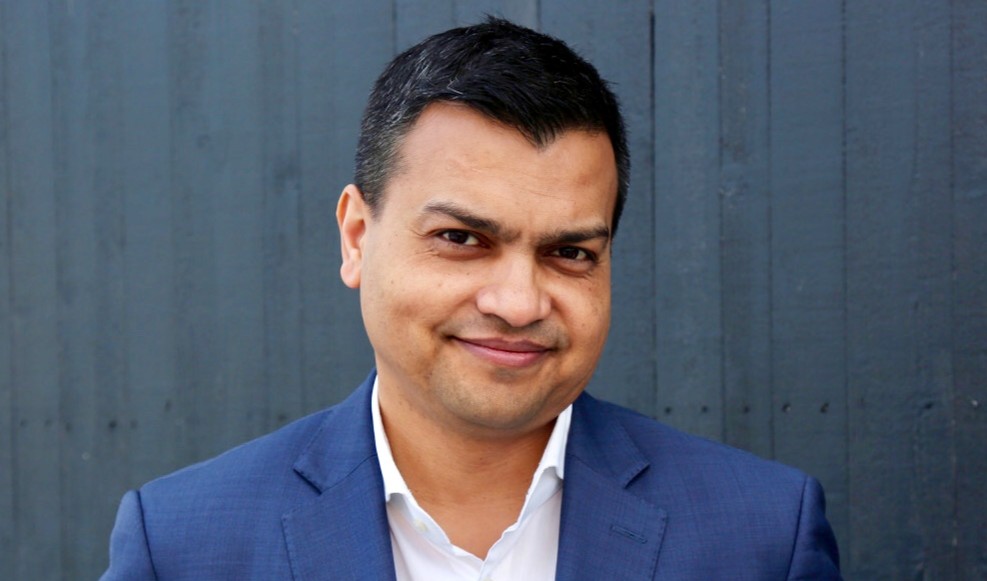
Who is Professor Dan Banik and what is his connection to Malawi?
I am a Professor of Political Science at the Centre for Global Sustainability at the University of Oslo in Norway. I also hold several visiting academic positions, including an honorary professorship in Pretoria, and I teach at the University of Malawi. I have taught in Addis Ababa [Ethiopia], Stanford [United States of America] and China as well. But most importantly, I consider myself Malawi’s unofficial ambassador-at-large because I genuinely love this country.
How do you assess Malawi’s democratic and development journey since 1994?
For many years I often have described Malawi as a poor country, and I have changed. I don’t describe it. That’s not the first thing we should think about. Malawi is so much more than just poverty. Malawi is God’s country. So then the question is why has development not taken place? And there are many reasons. One is, of course, your geography. Landlocked with governance challenges and landlocked with neighbours who are not always very helpful. Then there is leadership, then there is the lack of public sector engagement, then there is the fact that some of the policies have been incorrect in my view. I don’t think it’s only an implementation problem. Sometimes Malawi has said yes to everything. Everyone is experimenting in Malawi. So you have not had this ownership. But most importantly, I think that there are very few people who are genuinely idealistic and are thinking for the common good.
You have argued that Malawi should sometimes reject donor funding. Why?
I believe Malawi should sometimes say “no thank you” to donors if funding is not aligned with national priorities. The problem with accepting everything is that the country loses focus. Malawi needs a strong national vision that can persuade donors and investors to support practical and bankable projects instead of fragmented initiatives.
What role should citizens play in development?
Democracy must allow citizens to freely articulate their development needs without intimidation or pressure. Citizens should be able to say whether they want better schools, hospitals or health centres rather than prestige projects that do not benefit ordinary people. Political leaders should then aggregate those needs into workable policies. My hope is that as Malawi’s democracy matures further, voters will increasingly prioritise development outcomes over identity politics.
Why does corruption remain deeply rooted despite anti-corruption education?
Academically, we teach the theories very well. But the reality is different. Many people condemn corruption publicly while still participating in petty corruption privately. If you ask people whether corruption is wrong, they say yes. But if you ask whether they have ever paid a bribe to get a passport, licence or public service, many admit they have because they feel there is no alternative. That is the contradiction. Citizens complain about corruption while also sustaining it through bribery.
What practical steps can Malawi take to reduce corruption?
Citizens must begin taking personal responsibility by refusing to pay bribes, even when it becomes inconvenient. If someone at the immigration office demands money to fast-track a passport, citizens should say no. That may mean waiting longer, but taking a stand is important. We must also stop justifying corruption by blaming low salaries or difficult living conditions.
With donors reducing aid globally, what should Malawi do next?
Malawi urgently needs a credible backup plan. This moment should be treated not only as a crisis but also as an opportunity to rethink how development is financed and delivered. Malawi can no longer depend on donors because many traditional donors are reducing aid commitments. This means Malawi must strengthen domestic revenue mobilisation. Malawi Revenue Authority must become more efficient, tax evasion must be controlled and public resources must be managed properly. Some expensive programmes may need reassessment, including the Farm Input Subsidy Programme. These are difficult political decisions, but they may be necessary for long-term economic sustainability. I also think some national planning documents; including the Malawi 2063 agenda are sometimes too ambitious without enough realistic financing strategies behind them. Malawi needs evidence-based hope, not wishful thinking. The country must ask: Where will the money come from? Who will create jobs and which policies are truly credible?
What final message would you give Malawians?
Make yourselves heard. Do not remain silent when you see corruption, misuse of public resources or under-development. You are citizens of this country and you have fundamental rights. Do not become passive or fatalistic by accepting poor governance as normal. Expect more. Demand more. Raise your voices and participate actively in shaping the future of your country.